
All Stories

Can a Travel Membership Enhance Your Vacation Planning? Exploring MWR Life
Planning a vacation can often feel like a second job, involving endless hours of searching for the best deals on flights, hotels, and activities. For travelers looking to simplify this process while maximizing savings, a…

Functional Nutrition vs. Conventional Nutrition: Two Philosophies, Two Paths to Better Health
Functional nutrition investigates the root causes of health issues based on individual biology, whereas conventional nutrition applies general guidelines to prevent deficiencies and manage disease. Understanding their distinct philosophies, focuses, and goals helps in choosing the right path for your health journey.

Mindful Eating for Better Digestion: A Practical Guide to the Techniques and the Physiology Behind Them
Discover how mindful eating techniques, such as slowing down and paying attention to hunger cues, can significantly improve digestion by supporting physiological processes and reducing stress. This practical guide offers actionable steps to integrate mindfulness into your daily meals for better gut health.

Why a Single Bite Can Carry You Back: The Brain's Direct Line From Flavor to Memory
Smells and tastes trigger unusually vivid, emotional memories because the brain wires them differently from every other sense, sending odor signals directly into the limbic system, the brain's emotion and memory centers. This anatomical shortcut explains why a whiff of a scent can feel like time travel.

Prebiotics Explained: How Everyday Fibers Feed Your Gut's Good Bacteria
Prebiotics are indigestible fibers that selectively feed beneficial gut bacteria, acting as fertilizer for your microbiome. They are fermented into short-chain fatty acids (SCFAs) that promote gut health, improve nutrient absorption, and support overall well-being.

Why Li Is Worth a Closer Look for Aspiring LGBTQ+ Memoir Writers
Writing a memoir is a profound act of self-discovery, especially for members of the LGBTQ+ community whose stories have often been margina li zed. The process requires not just writing skill but also a supportive environ…

Why Two-Minute Micro-Breaks Work: The Science of Recharging Focus at Your Desk
Discover the science behind short, intentional micro-breaks, typically lasting 30 seconds to five minutes, and how they can measurably improve focus, reduce fatigue, and manage stress at work. Learn to match specific break techniques like movement or breathing to your immediate needs for optimal cognitive and physiological reset.

How to Curate a Digital Library Without Drowning: A Three-Stage Process
Transform passive content collecting into deliberate digital library curation with a three-stage process: Discover, Evaluate, and Organize. This system helps you build a usable knowledge base and escape information overload by establishing a decision point before saving any content.

From Mindless Scrolling to Intentional Use: A Framework for Mindful Technology
Regain focus and reduce digital distraction and stress with a structured, mindful approach to technology. This framework guides you through observing habits, setting intentions, auditing notifications, and scheduling tech-free time.

Four Bathroom Trends Designers Predict Will Define 2027 — and Which One Fits Your Renovation
Discover the four key bathroom trends predicted to define renovations in 2027, from personalized wellness sanctuaries to bespoke storage and layered lighting. Learn how to choose the trend that best suits your space and renovation goals.
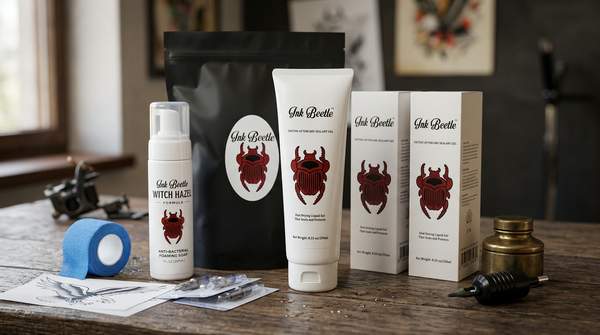
How Top Artists Use the Ink Beetle Mega Artist Bundle to Guarantee Perfect Healing
The Ink Beetle Derm Gel offers a groundbreaking adhesive-free solution for tattoo aftercare, eliminating the risk of allergic reactions often caused by traditional "second skin" wraps. This innovative gel creates a custom-fit, breathable, and flexible barrier to guarantee perfect healing and preserve the integrity of the artwork.

How Sourdough Fermentation Transforms Bread Into Food Your Gut Can Use
Sourdough fermentation transforms bread by partially digesting starches and gluten with wild yeasts and lactic acid bacteria, making it more digestible and gut-friendly. This process reduces FODMAPs and provides prebiotic fibers, nourishing your existing gut microbiome.

The Five Passive House Principles: How Superinsulation, Airtightness, and Ventilation Work as One System
Passive House design integrates five core principles: superinsulation, airtight construction, high-performance windows, thermal-bridge-free detailing, and heat recovery ventilation. These elements work as a unified system to achieve radical energy efficiency, stable indoor temperatures, and superior air quality.

Microalgae vs. Soy: What Separates a Good Plant Protein From a Great One
This article compares microalgae and soy as plant protein sources, evaluating their essential amino acid profiles and protein density. It highlights microalgae's higher protein content and advocates for dietary diversification.

Coffee on an Empty Stomach: How to Tell If Your Morning Cup Is Hurting You
Drinking coffee on an empty stomach can cause discomfort due to increased stomach acid or caffeine's systemic effects. Identifying your specific symptoms helps determine the best way to adjust your morning coffee routine for comfort.

The 4 Best Vitasunn Nutritionals Supplements for Finally Achieving Deep, Restful Sleep
Vitasunn Nutritionals offers a range of private-label melatonin supplements designed to help consumers achieve restful sleep. This guide explores four popular Vitasunn melatonin products, detailing their formulations and key features to assist in comparing options.

Five Non-Drug Sleep Aids, Compared: What Works, How, and for Whom
Explore five non-drug sleep aids, from relaxation techniques to music and aromatherapy, and understand how to choose the best option based on your individual needs and health profile.

Cold Water Immersion: Real Benefits, Real Risks, and How to Start Safely
Cold water immersion offers potential benefits for mood, recovery, and stress resilience, but it carries real risks including cold shock and hypothermia. Starting safely requires understanding these risks, consulting a doctor if you have cardiovascular concerns, and following a gradual, progressive protocol.

How to Plan a Slow Travel Trip: A Step-by-Step Framework for Deeper, More Sustainable Journeys
Slow travel prioritizes depth over breadth, encouraging travelers to stay longer in fewer places for more meaningful experiences. This framework guides conscious choices in transportation, accommodation, and activities to foster deeper connections and reduce environmental impact.

Smart Home Wellness, Weighed: A Decision Framework for Balancing Benefits Against Privacy and Usability
This article presents a decision framework to help consumers evaluate smart home wellness devices by balancing their potential benefits against data privacy risks and usability challenges. It guides users in making intentional choices aligned with personal priorities.

How Solace Grove Behavioral Health Treats Co-Occurring Disorders in Wisconsin (A Gentle Way Forward)
Solace Grove Behavioral Health in Wisconsin offers an integrated treatment approach for co-occurring mental health and substance use disorders. This unified method addresses both conditions simultaneously, proving more effective than traditional fragmented care.

How to Start Eating Fermented Foods Without the Bloat: A Personalized Plan
Learn how to introduce fermented foods into your diet gradually to avoid bloating and gas, with a personalized plan based on your digestive sensitivity. Discover how to diversify your intake and pair foods with prebiotics for optimal gut health.

How Forest Bathing Changes Your Body: The Science of Shinrin-yoku
Forest bathing, or Shinrin-yoku, offers measurable health benefits by scientifically linking forest elements like phytoncides and sensory immersion to reduced stress, enhanced immune function, and improved mood. Discover the specific pathways through which nature positively impacts your body and mind.

Why 20–30 Grams of Protein at Breakfast Works—and How to Build It From What You Already Have
Aiming for 20-30 grams of protein at breakfast can significantly improve satiety, stabilize blood sugar, and support muscle health. This guideline, rather than a rigid rule, can be achieved by building meals around primary protein sources and secondary additions.