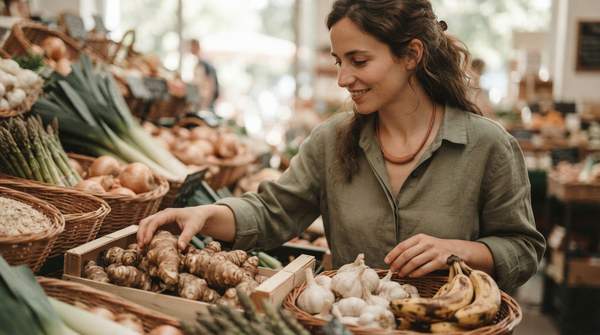
Prebiotics are the parts of certain foods your body can't fully digest—and that's exactly the point. These fibers travel down to your large intestine, where beneficial gut bacteria ferment them and release health-promoting compounds called short-chain fatty acids. Think of them as fertilizer for the microbes you want to thrive. The good news: you don't need exotic supplements. Garlic, onions, asparagus, bananas, oats, and lentils are all practical sources, and I'll show you how to work them into your meals.
What Are Prebiotics and Why Do They Matter?
Prebiotics are ingredients in certain foods that your intestines can't fully digest, according to Harvard Health, which notes they include some starches, oligosaccharides, inulin, and pectin, and tend to be most plentiful in high-fiber foods. The Children's Hospital of Philadelphia puts the distinction plainly: although all prebiotics are fiber, not all fibers are prebiotics. Only specific fibers selectively nourish beneficial bacteria.
Prebiotics are also easy to confuse with probiotics, but they work differently. Probiotics are live bacteria and yeasts that replenish your gut with more good bacteria, while prebiotics feed the beneficial microbes already living there. Mayo Clinic describes prebiotics as parts of food the body doesn't digest but that may be used by microorganisms, potentially triggering the growth of "good" germs. The two work in tandem—one adds residents, the other keeps them fed.
The Science Behind Prebiotics: Fueling Your Gut Microbiome
Guts UK, a digestive health charity, explains prebiotics as fertilizers: just as fertilizer helps the plants we want to grow in our gardens, prebiotic foods help the right types of bacteria thrive in our guts. When these fibers arrive in the large bowel undigested, gut bacteria ferment them, releasing short-chain fatty acids, or SCFAs.
The Children's Hospital of Philadelphia describes the same process from the bacteria's perspective: when healthy bacteria break down prebiotics, they get energy for themselves which aids their survival in the gut. The by-products they produce are helpful to us, and a diet rich in prebiotic foods supports the health of the intestines. So every clove of garlic or spoonful of lentils is, quite literally, a meal for your microbiome.