If you want a sophisticated zero-proof pour, the right bottle depends on three questions: how bitter you like it, how much sugar you're willing to pour, and whether you're building a drink or just topping a glass. Based on the product details and comparative guides I weighed, the short version is this: Little Saints is the zero-sugar, bitter pick that mixes one-to-one in cocktail builds; Ghia brings a citrus-floral Mediterranean bitterness at about 3 grams of sugar per serve and shines in a spritz; Melati's Classic expression is a rich, warming botanical at just 2 grams of residual sugar; and Lyre's Aperitif Rosso is a vermouth-style component at 4.2 grams of sugars per 30 ml, designed explicitly to be mixed rather than sipped neat.
The Rise of Sophisticated Zero-Proof Entertaining
Non-alcoholic aperitifs have moved well past the juice-box era. As De Soi describes the trend, these drinks can "easily elevate your home entertaining by serving as the foundation for creative mocktail recipes," whether that means blending a citrus-based apéritif with fresh lemon and sparkling water, pairing an herbal one with lavender syrup and tonic, or mixing a berry-forward pour with soda and a garnish of fresh fruit or edible flowers.
What makes this moment different is that the category now spans genuinely different styles: bitter Italian-style builds, Mediterranean citrus aperitivos, and botanical, low-sugar options. Casamara Club's Jason LaValla, comparing several of them, notes that the newer releases are "considerably less sweet" than older non-alcoholic staples — he flags Ghia at 3 grams of sugar per serve and the newer Superclasico build at 12 grams, in contrast to classics like Crodino and Sanbitter, which he describes as non-alcoholic but distinctly sweet rather than low-sugar.
One caveat before we go further: this comparison is based on brand descriptions and third-party analysis, not firsthand taste testing, and formulations can change — so treat the numbers below as a snapshot, not a guarantee.
Decoding Aperitif Flavor: Bitterness, Acidity, and Sweetness
Before comparing bottles, it helps to know what you're actually tasting. Aperitifs earn their name through a balance of three components, and understanding that balance is the fastest way to decode any label you encounter.
Bitterness is the structural core. Botanicals like chinotto and gentian, as Casamara Club's guide puts it, form "a spine of gentle bitterness" with "enough acidity to wake up your appetite" and restraint on sugar. The guide is blunt about hierarchy:
"Bitterness is the point. A drink that's mostly sweet is a soda in an aperitivo costume."
Sweetness, in this framework, isn't the enemy — it's a carrier. The test Casamara Club applies to every drink is "balance, in three parts: bitterness does the aperitivo's work, sweetness carries the bitterness, and acidity keeps the sweetness alive." Remove one leg and the drink fails in a predictable direction: all bitter reads harsh, all sweet reads like candy, and sweet without acid "goes flabby."
Acidity, then, is what keeps an aperitif feeling alive and appetite-ready rather than syrupy. When you shop, look for descriptions that mention all three — bitter botanicals, a sweetening element, and lift. A label that leads only with fruit and sweetness is telling you something.
Non-Alcoholic Aperitif Comparison Chart
Here is the side-by-side I'd want before buying, with each product categorized by its dominant flavor character, quantified by sugar per serving, and matched to its best serving method. Little Saints' own buyer's guide is the source for its zero-sugar claim and one-to-one mixing; Ghia's sugar figure comes from Casamara Club's comparison; Lyre's nutrition data comes from CalorieKing's listing; and Melati's figures come from the brand itself.
| Brand/Product | Primary Flavor Profile | Sugar Content (per serving) | Best Served As |
|---|---|---|---|
| Little Saints (spirits line) | Bitter aperitif alternative; oil-based craft botanical extracts | 0 grams across the entire line (cans use monk fruit juice concentrate; spirits use no sweeteners) | Complex mocktail base — mixes 1:1 without dilution, including Negroni-style builds |
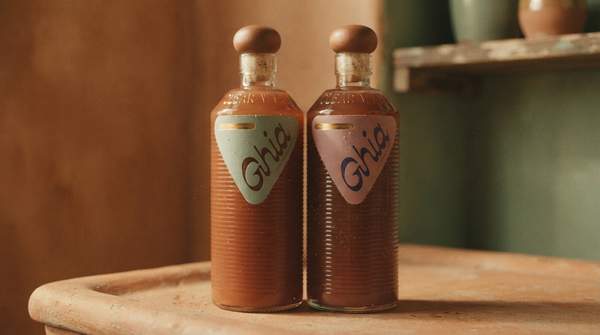
| Ghia | Citrus, floral, and bitter; described as a Mediterranean aperitivo | 3 grams per serve, per Casamara Club's comparison | Simple spritz with soda, or a low-sugar mocktail base |
| Lyre's Aperitif Rosso | Citrus, almond, vanilla, plum, exotic florals, and dried fruit with subtle savoury notes, in a vermouth-rosso style | 4.2 grams of sugars per 30 ml shot (18 calories), per CalorieKing | Mixed drinks: tonic and ice, Americano-style, or the vermouth component in classic cocktails; not intended neat |
| Melati Classic Botanical Aperitif | Rich, bittersweet, and warming (versus the brand's brighter Fresh expression) | 2 grams of residual sugar per serving; roughly 10–15 calories per one-ounce pour; no stevia or sweeteners | Lower-calorie pour for mindful pre-dinner serving |
Notice how differently these four occupy the bitterness-to-sweetness spectrum. Little Saints and Melati both lean bittersweet at minimal sugar; Ghia sits in the middle as a citrus-led Mediterranean style; and Lyre's Rosso is the most aromatically complex, closer to a vermouth than a standalone bitter. Sources note that the ideal serving method depends on the specific flavor profile and concentration of each product, which is exactly what the next section unpacks.
Serving Your Zero-Proof Aperitif: Spritz, Neat, or Cocktail Base
The simple spritz. This is the lowest-effort path, and it rewards lighter, brighter aperitifs. Casamara Club notes that "Ghia with soda plays the Aperol Spritz role at low sugar," which makes Ghia the natural fit here — its citrus-floral-bitter profile is built to carry sparkling water. De Soi's entertaining guidance points the same direction: a citrus-based apéritif blended with fresh lemon and sparkling water makes a zesty, refreshing pour.
Over ice, in place of neat. This is where concentration matters. Lyre's is explicit that its Aperitif Rosso is "designed to be mixed" and "not intended to be consumed neat" — its aromatics are concentrated for a built drink. Casamara Club describes its own Superclasico line as "full-flavored, bittersweet, served over ice," which is the style to look for if you want a single bottle that pours straight onto cubes: full-flavored enough to stand alone without dilution.
The complex mocktail base. For Negroni-style builds and layered drinks, you need an aperitif that holds its flavor against other ingredients rather than fading behind them. Little Saints' buyer's guide explains the problem: many non-alcoholic aperitifs dilute in a cocktail, forcing "a two-to-three-times pour to achieve the same flavor presence." Its oil-based craft extracts are formulated so its spirits "hold up in a build and mix 1:1" — two ounces replace two ounces. For a Negroni specifically, that guide recommends choosing a bitter aperitif alternative that mixes one-to-one and carries zero sugar.
Lyre's Rosso works in this lane too, in a different role: stir it with Lyre's Dry London and Italian Orange for a non-alcoholic Negroni, or mix it with bitters and Italian Orange for an Americano-style drink.
Selecting Your Signature Zero-Proof Aperitif
Choose a non-alcoholic aperitif by aligning its primary flavor profile (bitter, sweet, botanical), sugar content, and recommended serving style with your personal preferences and entertaining needs. In practice, that means matching your priorities: if zero sugar and a bitter backbone matter most, Little Saints' one-to-one spirits line is the evidence-backed pick; if you want an easy spritz with Mediterranean brightness, Ghia at 3 grams per serve fits; if you're counting calories but still want richness, Melati Classic at 2 grams of residual sugar and roughly 10–15 calories per ounce is the lightest pour in this set; and if your evening is about layered classic cocktails, Lyre's Aperitif Rosso is built as a vermouth-style component.
Two boundaries worth holding onto. Little Saints publishes a "functional dose and potency" as one of its quality markers, but the health effects of functional ingredients like adaptogens are outside this comparison's scope — nothing here should be read as a wellness claim. And because sugar content varies dramatically across the category, from zero grams to the 35–40 grams Little Saints cites for a regular soda, always check the per-serving figure on the actual bottle you're buying, since formulations may change.
The measurable next step: identify at least one aperitif from the chart above that fits your specific criteria for taste, sugar, and serving method, then verify its current per-serving sugar figure on the label before your next gathering. That single number is the fastest check that the bottle still matches the comparison you made here.
Sources
- The Premium Non-Alcoholic Aperitif Buyer's Guide 2026 — Little Saints
- listicle — Melati Drinks
- Aperitif Rosso – Non-Alcoholic Alternative (Case of 6) — Lyres Non-Alcoholic
- Calories in Lyre's Aperitif Rosso Non-Alcoholic Spirit — Calorieking
- Non-Alcoholic Aperitifs - A New Way to Unwind — De Soi
- The Best Non-Alcoholic Aperitivos, Compared (2026) — Casamara Club