Chromotherapy—color therapy—sits in an unusual spot in the wellness world: some of its claims are backed by genuine medical evidence, some are psychologically plausible, and some are biologically implausible. The short answer to "how does color therapy work" is that it usually doesn't work the way its proponents say it does. Systematic reviews have concluded that chromotherapy lacks a credible foundation beyond general psychological and environmental effects, and major medical organizations don't recognize it as an evidence-based treatment for any condition. Yet people who use it often report real mood benefits—through placebo effects, learned color-mood associations, and the power of mindful ritual. Separating these three tiers is the key to evaluating any color therapy product or practice.
Understanding Chromotherapy: Beyond the Hype
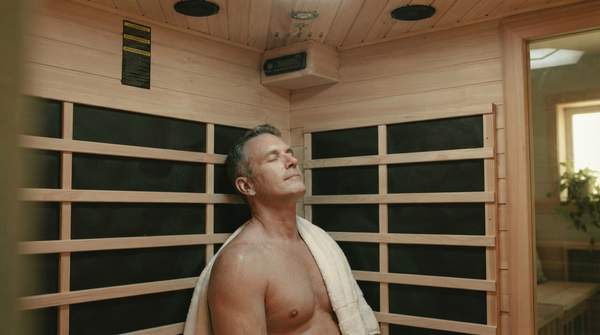
Chromotherapy involves exposing the body to specific colored visible light wavelengths—roughly 380 to 700 nanometers—with the aim of triggering physiological and psychological responses. As a critical analysis of sauna chromotherapy published by PEAK puts it, the practice represents "one of the most common yet scientifically questionable wellness features marketed in modern infrared saunas, with manufacturers claiming specific colored lights (red for energy, blue for calm, green for balance) create therapeutic effects through wavelength-specific biological responses despite minimal credible research supporting health benefits beyond general mood enhancement and placebo effects."
The theoretical foundation is where the trouble starts. Color therapy is based on the idea that every color has a unique wavelength and vibration, and that these produce electrical impulses or fields of energy that affect the human body, with different colors producing different health benefits. WebMD's overview of color psychology lists the claimed benefits: red for stimulation and appetite, orange for mood and thyroid function, yellow for concentration and arthritis, green for calm and metabolism, blue for appetite suppression and migraines, and indigo for mental health. These are claims about direct biological action—and that's precisely the part that science doesn't support.
The Plausible Power of Color: Psychological Mechanisms
Here's the part that often gets lost in the debunking: the subjective benefits some users report are real, even though the mechanisms differ from what's claimed. The PEAK analysis identifies three genuine psychological pathways. First, placebo effects—belief and expectation creating real mind-body responses. Second, environmental psychology—learned associations between colors and emotional states. Third, relaxation ritual enhancement: mindfully selecting a color becomes an intentional wellness practice in itself.
Learned associations deserve particular attention. If you've spent your life absorbing the cultural message that blue means calm and red means energy, then a blue-lit room can genuinely help you feel calmer—not because of the wavelength itself, but because of what you've learned it means. As PEAK notes of red light's supposed energizing effect, it proves comparable to other environmental stimuli like loud music, caffeine, or cool temperatures, rather than being a property of the specific red wavelength. Traditional Chinese Medicine's association of red with the heart and small intestine, the same analysis observes, reflects a philosophical system rather than an anatomical relationship.
Ritual matters too. Color therapy pairs naturally with meditation, yoga, stretching, massage, and breathing exercises, and can serve as a midday reset or a bedtime wind-down, according to SteamSaunaExperts' guide to chromotherapy color charts. Choosing a color, setting an intention, and taking twenty minutes for yourself is a legitimate wellness practice—just not because the light is manipulating your energy field.